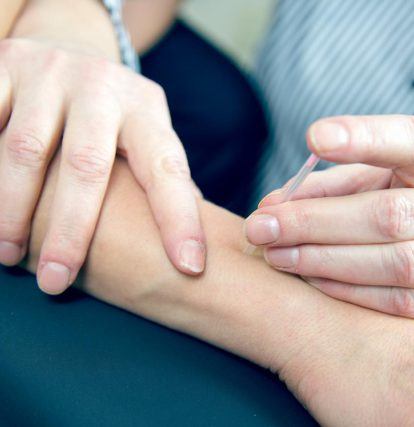
PT’MOVEMENT Wellness Centre Offers Physiotherapy Services

Physiotherapy is a growing part of the healthcare system.
It is the science of movement within the human body.
At PT Movement, physiotherapy is focused on helping people move with no pain, better coordination and more confidence in their bodies.
Physiotherapy is not only about treating an injury.
Our physiotherapists (PTs) will help you to understand why symptoms developed, where the pain or discomfort came from, and how to regain confidence and feel strong and well.
What Physiotherapy Can Help With
Physiotherapy can help assess and treat conditions involving all joints, muscles, tendons, ligaments, bones, and nerves. Physiotherapy can advance balance and coordination, and the movement we need for sport or daily activities.
We work with people experiencing:
- Neck and back pain
- Shoulder, hip, knee, ankle, and foot problems
- Sports injuries
- Tendon irritation and overuse injuries
- Muscle strains and joint sprains
- Arthritis and joint stiffness
- Pre-operative preparation and post-operative rehabilitation
- Balance problems and dizziness
- Risk of falls
- Walking and mobility difficulties
- Difficulties with activities of daily living (ADL)
- Reduced strength, endurance, or confidence with movement
- Osteopenia and osteoporosis.

What makes us different?
We understand that your recovery is a journey and every treatment must be a step forward toward moving better, functioning better, and feeling more confident and capable in your body.
We start by listening to the patient’s story and we stay curious to discover what is not obvious.
We use many tools to help our patients. Your treatment may include: manual therapy, laser, exercises, acupuncture, shockwave therapy, Dolphin microcurrent and electrical therapies.
The Gyrotonic® method is a unique tool to PT’MOVEMENT, where we can approach movement through the whole body, not just parts. If appropriate, this is another tool that we can include as part of your physiotherapy care.
At PT’MOVEMENT we work as a team, and if physiotherapy can’t provide the right tool, we will bring other disciplines to your treatment: chiropractic care, massage therapy, and osteopathic manual therapy.

Pelvic Floor Physiotherapy
Did you know we also offer specialized pelvic floor physiotherapy? Whether you’re experiencing pelvic pain, bladder concerns, core dysfunction, or are preparing for or recovering from pregnancy and childbirth, our pelvic health physiotherapist can help.
Is a Scar Still Causing You Pain or Limiting Your Movement?
In addition to physiotherapy, Selby also offers Scar Release Therapy using Dolphin Neurostim® Therapy. While a scar may appear healed on the surface, the tissue beneath can remain tight, restricted, or sensitive, sometimes contributing to pain, reduced mobility, numbness, or pulling sensations. This specialized treatment is designed to help improve tissue mobility, reduce discomfort, and support your recovery. If you have a scar from surgery, injury, or a C-section that continues to bother you, ask Selby whether Scar Release Therapy may be right for you.
Pre-Natal/Post-Partum Physiotherapy
Pre-Natal
Prenatal physiotherapy supports the physical changes that occur throughout pregnancy and can< help improve comfort, mobility, and confidence as your body prepares for birth and postpartum< Recovery.
Treatment is individualized and may include:
- Education on body changes during pregnancy
- Management of low back, pelvic, hip, rib, or sciatic pain
- Pelvic floor assessment and preparation for birth
- Core and pelvic stability exercises
- Breathing and pressure management strategies
- Guidance for exercise and activity modification during pregnancy
- Manual therapy and mobility work when appropriate
- Support for posture, sleep positioning, and daily movement strategies
Prenatal physiotherapy can also help address concerns such as pelvic girdle pain, abdominal< separation (diastasis recti), urinary symptoms, and discomfort with walking, exercise, or daily< activities.
Our goal is to help you stay active, supported, and comfortable throughout pregnancy while< preparing your body for delivery and recovery afterward.
These sessions often progress toward a labour and delivery preparation appointment around 35< weeks of pregnancy. This visit may include education and guided practice related to perineal< massage, labour and delivery positioning, breathing strategies for labour, pain management< techniques, and early postpartum recovery to help you feel more prepared and supported heading into birth and the first weeks afterwards.
Post-Partum
Postpartum care or postpartum pelvic floor physiotherapy is a branch of pelvic health< physiotherapy focusing on assisting with your recovery during the fourth trimester.
Regardless of the type of birth you have, the pelvic floor muscles are affected during< pregnancy and through the delivery process. Six weeks after you give birth you will be given the< “all clear” by your OB or midwife to assume regular activities. However, without proper< rehabilitation of your pelvic floor and abdominal muscles, you may develop urinary< incontinence, low back pain, pelvic organ prolapse, pain with intercourse, etc.
During your postpartum sessions, your pelvic floor physiotherapist will work with you to< assess your pelvic floor, hip, back, and abdominal muscles to ensure that you are able to most< effectively return to your regular exercise and activities.< Sessions may also cover scar massage (whether perineal or from a caesarean), to help< desensitise any areas of hypersensitivity and ensure the tissue is functioning at its best.
Suggestions on positioning baby during chest feeding, carrying baby, etc. will also be given to< help prevent and reduce any additional muscular strains and aches.
Many wonder – when should I come in for my postpartum sessions? Unless you have pain, you< can return to pelvic floor physio after you have your 6 week clearance by your OB or midwife.< During this time you can start some of the exercises and techniques you discussed with your< physio during your prenatal appointments.
Shockwave Therapy
Shockwave Therapy is a non-invasive treatment that uses acoustic waves to stimulate the body’s natural healing response. It is commonly used to treat chronic tendon injuries and persistent musculoskeletal conditions such as plantar fasciitis, tennis elbow, Achilles tendinopathy, rotator cuff injuries, and calcific shoulder tendinopathy.
By promoting circulation and stimulating tissue repair, shockwave therapy can help reduce pain, improve function, and support the healing process.
As part of your physiotherapy treatment plan, shockwave therapy may be combined with hands-on therapy, movement assessment, and a personalized exercise program to help you recover safely and return to the activities you enjoy.
Laser Therapy
Laser Therapy is a gentle, non-invasive treatment that uses specific wavelengths of light to stimulate cellular repair, reduce inflammation, and promote healing. It can be beneficial for both acute and chronic injuries involving muscles, tendons, ligaments, joints, and soft tissues.
Laser therapy may help reduce pain, improve circulation, and support tissue healing, making it a valuable addition to your rehabilitation program.
Your physiotherapist will determine whether laser therapy is appropriate for your condition and incorporate it into a personalized treatment plan designed to restore movement, improve function, and support your recovery.

Best Physiotherapy Clinic / Services – Platinum