Strong Through Menopause
Supporting Muscles, Joints, and Energy Through the Transition
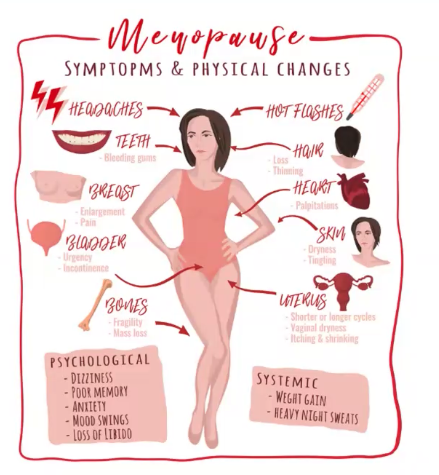
Menopause is a natural transition, but it can bring changes that many women aren’t fully prepared for, especially when it comes to muscles, joints, energy, and recovery. Understanding what’s happening in the body can help remove frustration and make it easier to adapt with confidence.
Hormonal shifts, particularly the decline in estrogen, influence far more than reproductive health. They affect muscle repair, joint comfort, bone density, inflammation levels, sleep, and overall resilience. When these changes show up physically, they can feel unexpected if no one has explained the connection.
Awareness helps turn confusion into empowerment.
Why the Body Can Feel Different
As estrogen levels shift during perimenopause and menopause, many women notice subtle or significant changes in how their body responds to movement and daily stress.
Common experiences can include:
- Muscle strength feeling harder to maintain
- Increased joint stiffness or achiness
- Slower recovery after workouts or busy days
- Changes in energy, motivation, or sleep quality
These changes don’t mean the body is failing. They often reflect a need for adjusted support, recovery, and expectations.
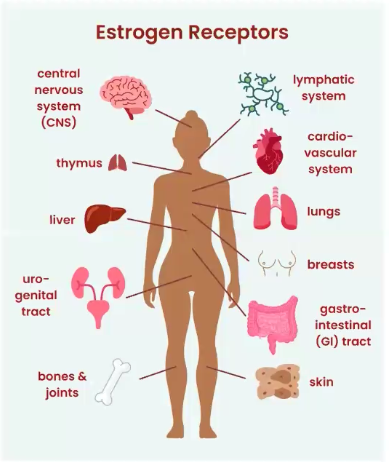
Muscle and Joint Health During Menopause
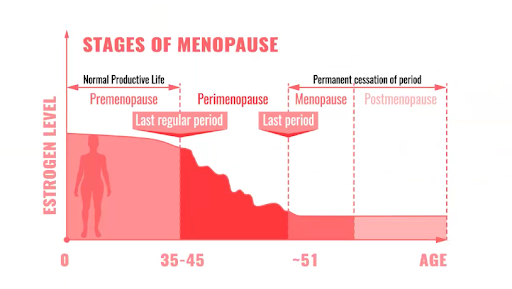
Estrogen plays an important role in muscle maintenance and connective tissue health. When levels decline, muscles may fatigue more easily and joints can feel less supported.
This can show up as:
- Reduced muscle tone or strength
- More noticeable soreness after activity
- Stiffness, particularly in the morning or after sitting
- Greater sensitivity to inflammation or stress
Consistent movement, especially strength-based exercise, becomes even more valuable during this time. It helps maintain muscle mass, protect joints, and support long-term mobility.
Recovery Matters More Than Ever
Many women find they can still do the same activities, but recovery needs increase. Sleep, hydration, nutrition, and nervous system support all play a larger role.
Supporting recovery might include:
- Prioritizing rest where possible
- Incorporating mobility or gentle movement days
- Eating regularly and including adequate protein
- Managing stress to support hormone balance
Recovery isn’t a step backward, it’s part of staying strong.
Nutrition and Lifestyle Support
While needs vary from person to person, some consistent themes often help during menopause:
- Balanced meals to support steady energy
- Nutrients that support bone and muscle health
- Hydration and electrolytes for energy and recovery
- Regular movement that includes both strength and gentle activity
Small, consistent habits tend to be more effective than drastic changes.
A Compassionate Perspective on the Transition
Menopause often overlaps with demanding life stages — careers, caregiving, family responsibilities, and evolving personal priorities. These factors influence how the body feels just as much as hormonal shifts.
Approaching this phase with curiosity instead of criticism can make a meaningful difference. The goal isn’t to push harder; it’s to work more intelligently with what your body needs now.
Moving Forward With Strength
Menopause isn’t an ending, it’s a shift. With the right support, many women become stronger, more body-aware, and more intentional about their health than ever before.
Understanding the physical changes allows you to:
- Adjust expectations realistically
- Support your body without overwhelm
- Maintain strength, mobility, and confidence long-term
Knowledge creates choice, and choice builds resilience.