Pelvic Floor Physiotherapy: What It Is & How It Can Help
Pelvic floor concerns are common — but they are not something you have to live with.
At PT’MOVEMENT, our pelvic floor physiotherapists provide compassionate, evidence-based care to help you feel strong, confident, and supported in your body. Whether you’re dealing with bladder leakage, pelvic pain, changes related to pregnancy or menopause, or simply want to move and exercise with more confidence, pelvic floor physiotherapy can help.
What Is Pelvic Floor Physiotherapy?
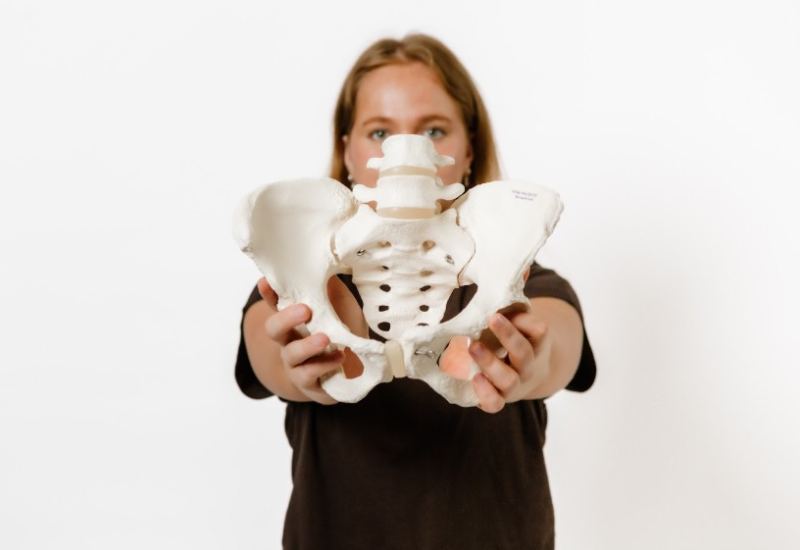
Pelvic floor physiotherapy is a specialized area of physiotherapy that focuses on the muscles, connective tissues, and nerves of the pelvic region.
When the pelvic floor isn’t working optimally — whether muscles are too weak, too tight, or poorly coordinated — symptoms such as leaking, pain, pressure, or difficulty with movement can occur.
Who Can Benefit From Pelvic Floor Physiotherapy?
Pelvic floor physiotherapy is for people of all ages and life stages.
We commonly help individuals who experience:
- Urinary leakage (with coughing, sneezing, laughing, running, or urgency)
- Pelvic pain or discomfort
- Pain with intercourse
- Pelvic pressure or heaviness
- Difficulty emptying the bladder or bowels
- Constipation
- Core weakness or abdominal separation (diastasis recti)
- Pelvic organ prolapse
- Low back, hip, or tailbone pain related to pelvic dysfunction
Pelvic floor physiotherapy can also be helpful during:
- Pregnancy
- Postpartum recovery (weeks, months, or even years later)
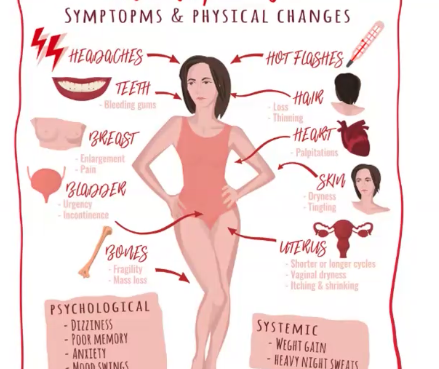
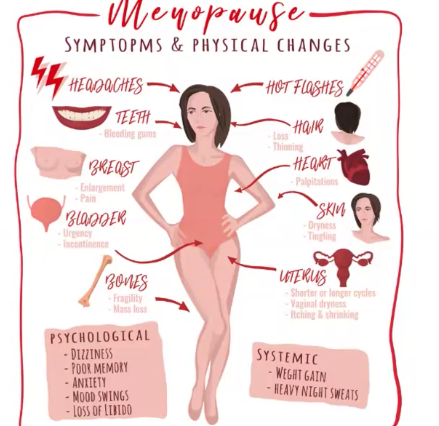
- Perimenopause and menopause
- Return to exercise or sport
- Recovery after pelvic or abdominal surgery
Pelvic Floor Physiotherapy: Pregnancy to Midlife
Your pelvic floor supports your bladder, bowel, core, and overall movement. When it’s not working well, you may feel pain, pressure, or leakage. The good news? It’s treatable.
During Pregnancy
Pregnancy puts extra pressure on your core and pelvic floor. Pelvic floor physio can help you:
- Reduce pelvic, hip, and low back pain
- Prepare for labour and delivery
- Learn better breathing and pushing techniques
- Lower the risk of tearing
- Stay active and strong
Our goal is simple: help you feel confident and supported as your body changes.
After Baby (Postpartum)
Leaking, pressure, or pain after childbirth is common — but it’s not something you have to live with.
Pelvic floor physio can help with:
- Bladder or bowel leakage
- Pelvic pain or heaviness
- Diastasis recti (ab separation)
- C-section or perineal scar healing
- Safe return to exercise
Whether you’re 6 weeks or 6 years postpartum, it’s never too late to start.
Book a complimentary consultation with our therapists to get started.

What to Expect at Your First Appointment
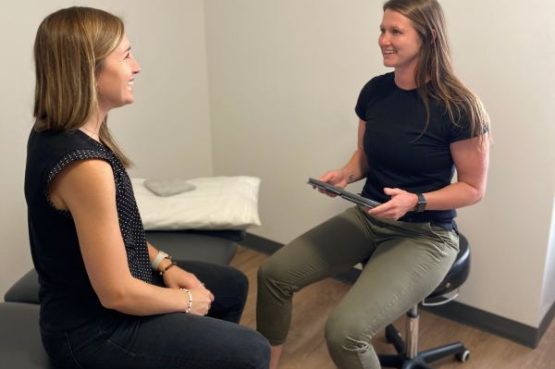
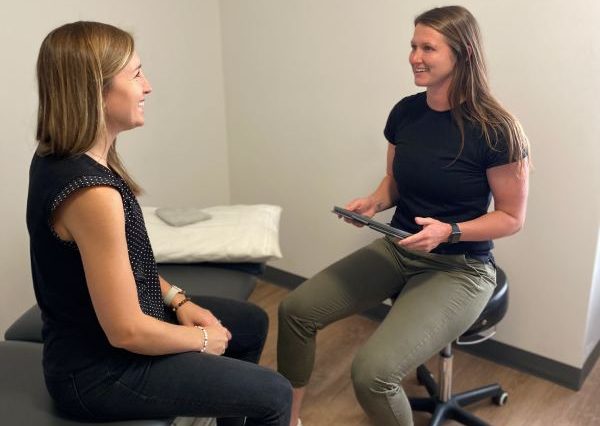
Your first pelvic floor physiotherapy appointment is focused on understanding your concerns, goals, and overall movement patterns.
Your assessment may include:
- A detailed health and symptom history
- Discussion of your lifestyle, activity level, and goals
- Assessment of posture, breathing, and functional movement
- Pelvic floor muscle assessment
An internal pelvic exam may be recommended, but it is never mandatory. Your physiotherapist will explain each step, obtain your consent, and you are always in control of your care.
Treatment may include:
- Education about pelvic floor function
- Breathing and coordination strategies
- Pelvic floor strengthening or relaxation exercises
- Manual therapy (external and/or internal)
- Core and functional movement retraining
- Personalized exercise programming
Pelvic Floor Physiotherapy & Movement
At PT’MOVEMENT, pelvic floor physiotherapy does not happen in isolation. We integrate pelvic health with how you move, train, and function in daily life.
Our approach emphasizes:
- Whole-body movement patterns
- Strength training and functional exercise
- Safe progression back to activity
- Collaboration with our physiotherapy and movement team utilizing the GYROTONIC® Method.
This ensures your pelvic floor supports — rather than limits — your active lifestyle.
Located in Stouffville – We’ve got a team of Pelvic Floor Physiotherapists at PT’MOVEMENT.

Meet Valerie, PT

Meet Selby, PT

Meet Daria, PT
Frequently Asked Questions
Do I need a referral?
No referral is required to book a pelvic floor physiotherapy appointment.
Is pelvic floor physiotherapy covered by insurance?
Most extended health benefit plans cover physiotherapy services. Please check with your provider.
Is an internal exam required?
No. An internal assessment is optional and always discussed beforehand.
How many sessions will I need?
Treatment plans are individualized. Your physiotherapist will discuss recommendations after your assessment.
What should I wear to my appointment?
Comfortable clothing that allows for movement.
Can I attend if I’m on my period?
Yes, pelvic floor physiotherapy can still be performed during menstruation.
Book Your Pelvic Floor Physiotherapy Appointment
If you’re experiencing pelvic floor symptoms — or simply want to better understand your body — we’re here to help.
Book online today or contact us to schedule a consultation.